Design - Create - Grow


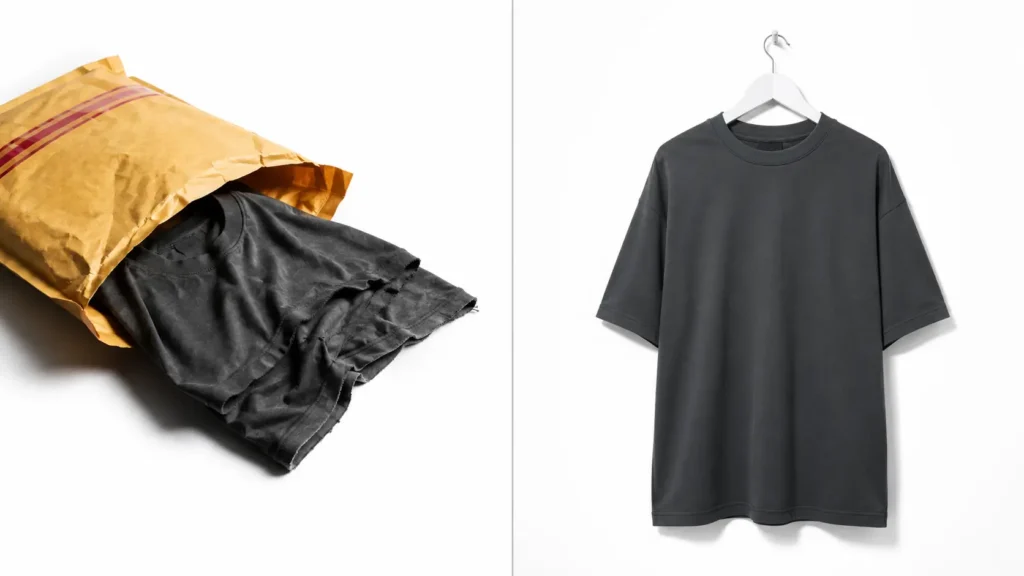
If there’s one thing that quietly drains a startup’s budget faster than anything else, it’s resampling rounds. The package arrives. You open it. And your heart sinks — because what the factory made looks nothing like what you imagined.
If you want to save money on clothing brand sampling, you’re not alone. Hundreds of fashion founders go through this every single year, watching thousands of dollars disappear into samples that aren’t even close to right.
Here’s the good news: it doesn’t have to be this way.
One founder recently managed to save money on clothing brand sampling to the tune of $1,200 — simply by using a complete, professional tech pack from the very first sample request. No extra rounds. No costly miscommunications. No “we didn’t understand what you meant.”
In this guide, you’ll learn exactly how sampling costs add up, why tech pack templates are the single most powerful tool for cutting those costs, and five proven strategies you can apply to your brand starting today. By the end, you’ll know how to slash your resampling rounds, communicate better with your clothing manufacturer, and protect your budget.
⚡Quick Answer: The #1 way to save money on clothing brand sampling is to send your factory a complete, professional tech pack before the first sample is ever made. Brands that use structured tech pack templates eliminate 2–3 resampling rounds on average, saving between $600 and $1,200+ per style. The S.i. Graphics Techpack Mega Bundle ($29.99) is the fastest way to get there.
The Hidden Costs of Clothing Sampling
Clothing brand sampling is the process of requesting a physical prototype of your garment from a cut and sew manufacturer before committing to bulk production. A single sample typically costs anywhere from $50 to $300+, depending on the complexity of the garment, the factory’s location, and the fabrics involved. But that number only tells half the story.
Here’s the frustrating truth about factories: they can only build what you show them. When your instructions are vague, they fill in the gaps — and those gaps cost you money.
The real cost of sampling isn’t just the sample itself. It’s everything that piles on top:
- International shipping fees — DHL or FedEx from overseas factories can run $35–$55 per shipment, each way
- Revision sample costs — each re-sample is another full sample fee, often $100–$250+
- Wasted fabric — if your spec was wrong, all that material is dead stock
- Lost time — each round adds 2–4 weeks to your timeline
- Opportunity cost — delayed launch means delayed revenue
💡Pro Tip: Track the total cost of each sampling round, not just the factory fee. When you include two-way shipping and two resampling rounds, a “$150 sample” can easily become a $500+ mistake.
The root cause of most of these costs is the same thing: miscommunication between you and your clothing manufacturer. Factories are skilled at building garments. They are not skilled at reading minds. When you reduce the guesswork, you reduce the rounds — and that’s exactly how you save money on clothing brand sampling.
Part of reducing unnecessary revisions is understanding how the manufacturer interprets your document. See how factories read tech packs for the factory-side perspective.
Why Tech Packs Are the Ultimate Cost-Saver for Clothing Brands
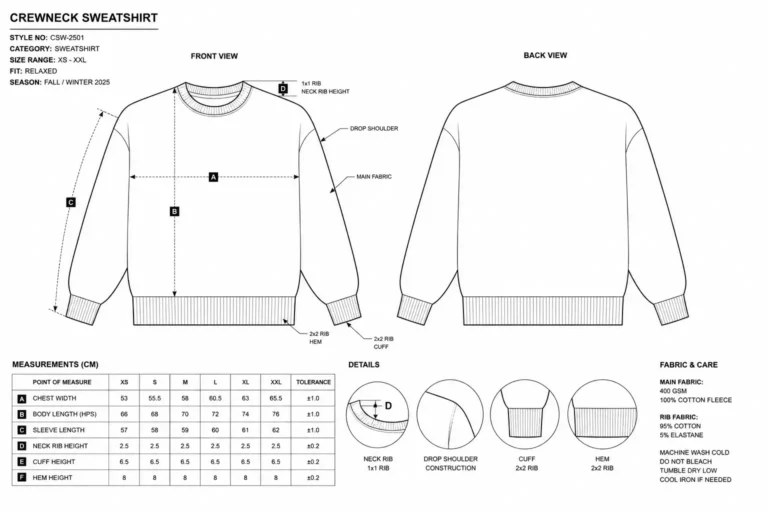
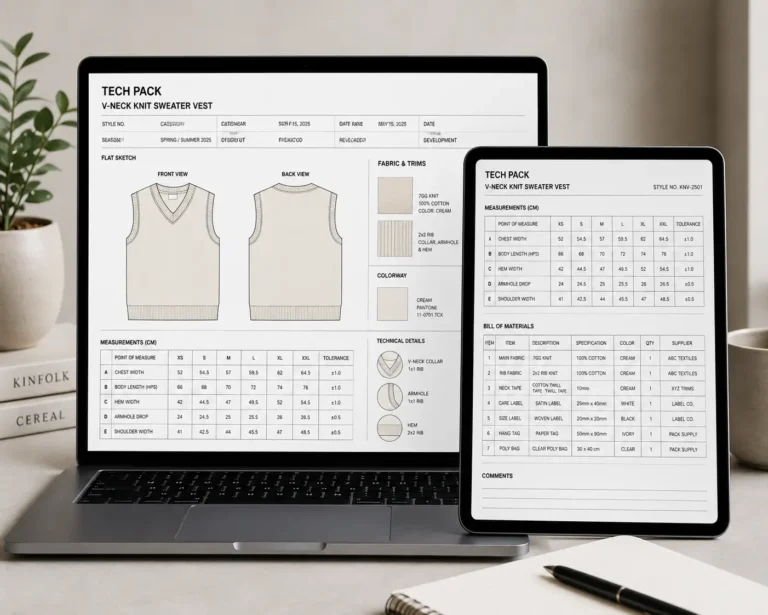
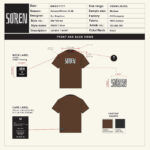
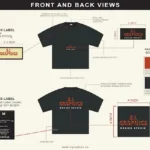
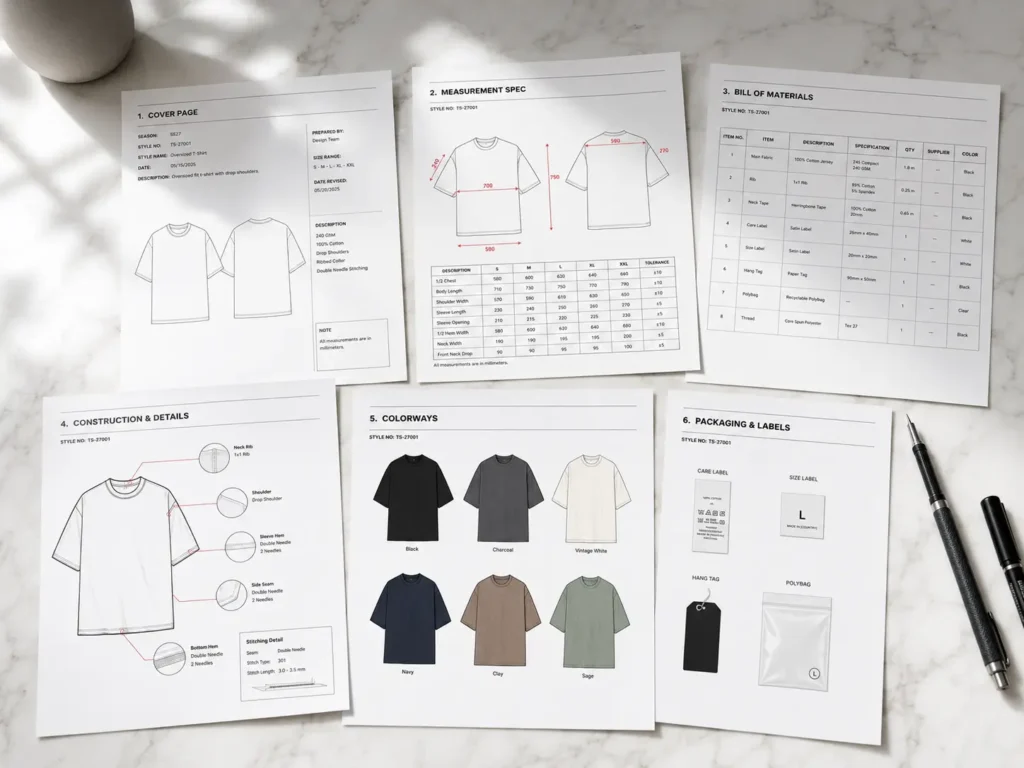
A tech pack (short for technical package) is a detailed document that tells your clothing manufacturer everything they need to know to build your garment correctly the first time. Think of it as a blueprint for your product: it includes technical flat sketches, precise measurements, material specifications, colorways, hardware callouts, stitching details, and a full bill of materials.
When you reduce sampling costs for your clothing brand, the fastest path there runs directly through better factory communication — and a tech pack is that communication tool.
Clear documentation is only one part of the process. You also need a consistent way to send files, ask questions, review samples, and communicate revisions. See how to communicate with clothing manufacturers for the complete workflow.
Here’s an honest comparison between what happens when you send a rough sketch versus a complete tech pack:
Without a Tech Pack vs. With an S.i. Graphics Tech Pack
| Feature | ❌ Without a Tech Pack | ✅ With S.i. Graphics Tech Pack |
|---|---|---|
| Factory Guesswork | High — they interpret your vision | Zero — every detail is specified |
| Resampling Rounds | 3–5 rounds common | 1–2 rounds typical |
| Total Sampling Cost | $600–$1,500+ per style | $150–$300 per style |
| Time to Market | 3–5 extra months | On schedule |
| Frustration Level | Very high | Manageable |
The math speaks for itself. A complete, professional tech pack doesn’t just improve your sample — it compresses your entire development timeline.
Using tech pack templates to save money is the logical shortcut here. Instead of spending 10–20 hours formatting tables, measurement grids, and callout sheets from scratch, you drop your specs into a pre-built, industry-standard format that your factory already understands. You remove the translation layer. You remove the guesswork. You save money.
If you’re building the document yourself, our step-by-step guide explains how to create a tech pack for clothing brands and what to prepare before sending it to a manufacturer.
5 Proven Strategies to Reduce Sampling Costs for Your Clothing Brand
This is where strategy meets action. Let’s break down the five most effective ways to save money on clothing brand sampling — starting with the one that makes the biggest difference.
1. Eliminate Guesswork with Professional Tech Pack Templates ⭐ Biggest Money Saver
The strategy: Send your manufacturer a complete, industry-standard tech pack instead of a mood board or hand-drawn sketch. This single change eliminates the most expensive part of sampling: repeated rounds caused by missing information.
The Solution: S.i. Graphics Techpack Mega Bundle
Price: $29.99
Best for: Fashion founders, apparel startups, and independent designers launching their first or second collection
Pros:
- Includes every page a manufacturer needs: flat sketches, BOM (bill of materials), grading, colorway sheets, and measurement specs
- Eliminates 2–3 resampling rounds on average, saving $600–$1,200+ per style
- Fully editable files — customize for every garment in your line
- Industry-standard formatting that factories already understand
- Instantly pays for itself on the very first sample order
Cons:
- Requires basic proficiency in Adobe Illustrator or compatible design software
- Not a substitute for a pattern maker if you’re working with complex technical garments
💡Pro Tip: When using tech pack templates to save money, always include a “construction notes” section in your tech pack where you flag your top 3 concerns. Factories read this first.
2. Visualize Before You Sample 🚀 Best for Complete Brand Development
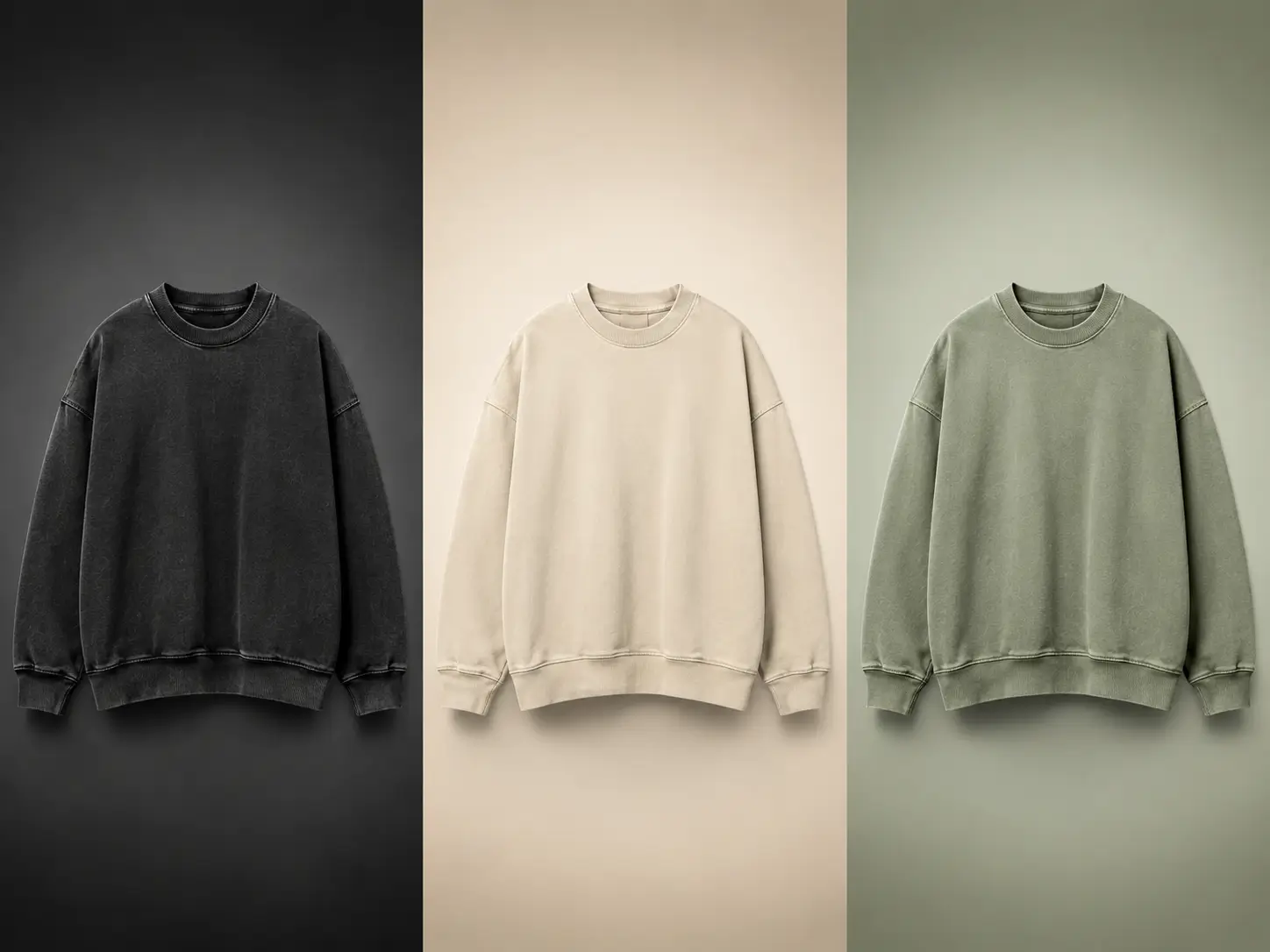
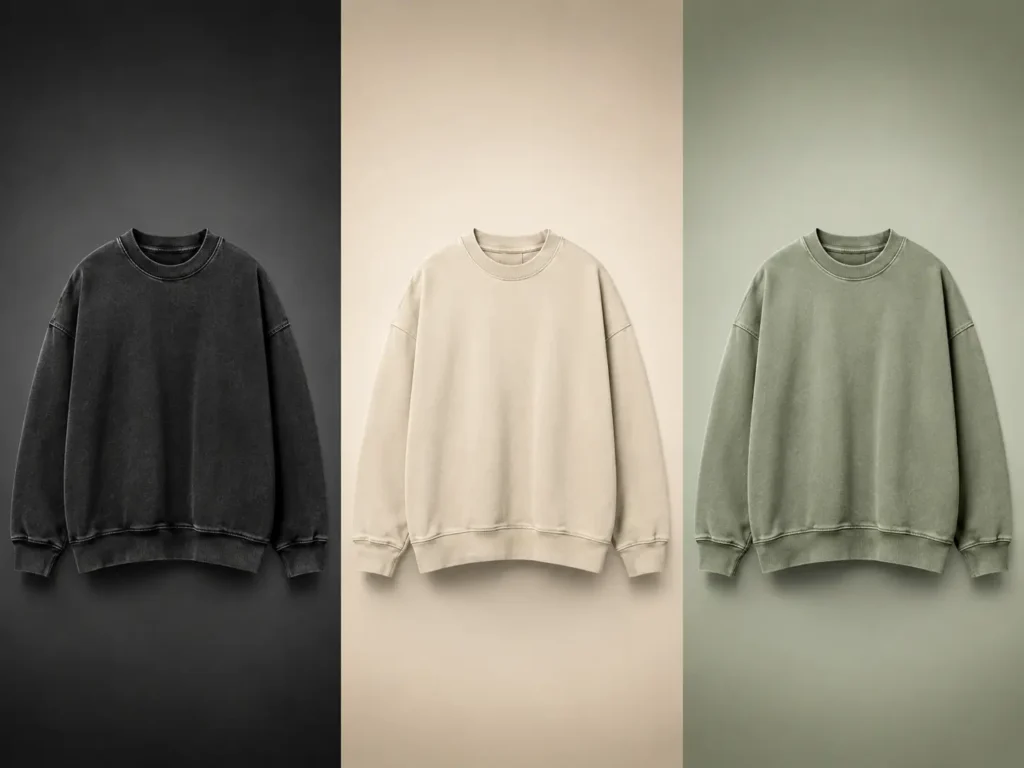
The strategy: Before you ever pay for a physical sample, verify that your design, colorway, and branding actually look right together. Visual confirmation catches problems that even a great tech pack can’t — because some things only become obvious when you see them rendered in context.
The Solution: S.i. Graphics OMEGA Bundle
Price: $79.99
Best for: Brands building a cohesive product line, founders preparing investor decks or launch marketing, designers who need to approve colorways before committing to fabric
For more ideas on choosing garment mockups for design visualization and presentation, see our guide to the best clothing mockups for fashion designers.
Pros:
- Combines professional tech pack templates and realistic garment mockups in one bundle
- Catch design flaws, bad colorway choices, and proportion issues before paying for samples
- Mockups are detailed enough to use in marketing, pitch decks, and pre-orders
- Saves on “colorway samples” — a major hidden cost for brands launching multiple colorways at once
- Comprehensive enough to take a design from concept to pre-production
Cons:
- Higher upfront cost than the core tech pack bundle alone
- Most valuable for brands launching 5+ SKUs; smaller projects may not need the full suite
3. Standardize Your Fit and Sizing First 📊 Best Free Strategy
The strategy: Before investing in custom cut and sew, consider using a blank manufacturer’s spec sheet to align your sizing to an existing blank garment (like a Gildan, Bella+Canvas, or similar). This gives your factory a physical reference point for fit and proportion — dramatically reducing the number of fit corrections needed.
Price: Free
Best for: New brands testing their sizing before committing to custom construction
Pros:
- Uses real-world measurements that factories already trust
- Reduces fit-related resampling, which accounts for ~40% of all sample errors
- Helps you establish your size run (XS–XXL) before grading your custom pattern
- Completely free if you request spec sheets directly from blank manufacturers
Cons:
- Only useful as a starting point — blanks don’t cover custom silhouettes or highly technical garments
Find standardized blank specs on Maker’s Row
4. Consolidate Your Sample Shipments 💰 Best Logistics Hack
The strategy: Instead of requesting one sample at a time, batch your sample requests so that multiple styles ship together in a single package. This one habit alone can save $30–$55 per shipment — which adds up fast across a full season.
Price: Free (it’s a scheduling habit)
Best for: Brands developing 3+ styles in a single season
Pros:
- DHL/FedEx international shipping is charged by dimensional weight — batching maximizes value per shipment
- Reduces factory handling time (they process one order instead of three)
- Easier to evaluate samples as a collection when they arrive together
- Can negotiate better shipping rates when volumes increase
Cons:
- Requires planning ahead — you can’t batch if your designs aren’t ready at the same time
- A problem with one sample delays review of all samples in the shipment
💡 Pro Tip: Always ask your factory for a consolidated shipping quote before they send anything. A simple email asking “Can we batch these three samples in one DHL shipment?” can save you $80–$120 in a single season.
Calculate international shipping costs
5. Order “Available Fabric” Prototype Samples First 🧵 Best for Initial Fit Testing
The strategy: For your very first sample, ask your clothing manufacturer to use whatever available (stock) fabric they have on hand — closest to your intended weight and construction — rather than ordering your custom-dyed or milled fabric upfront. This is called a “proto sample” or “fit sample,” and its only job is to test the construction and fit, not the final fabric.
Price: Savings of $50–$150 per sample (custom fabric milling costs avoided)
Best for: Any brand working with custom fabrics, special dyes, or technical materials
Pros:
- Eliminates the cost of milling or dyeing custom fabric for a sample that might need to be remade anyway
- Faster turnaround — stock fabric is available immediately, custom fabric takes 4–8 weeks
- Lets you confirm fit and construction before investing in specialty materials
- Standard practice at professional apparel companies — factories expect this request
Cons:
- The proto sample won’t show your final fabric hand-feel or drape
- You’ll still need a “counter sample” or “pre-production sample” in final fabric before bulk
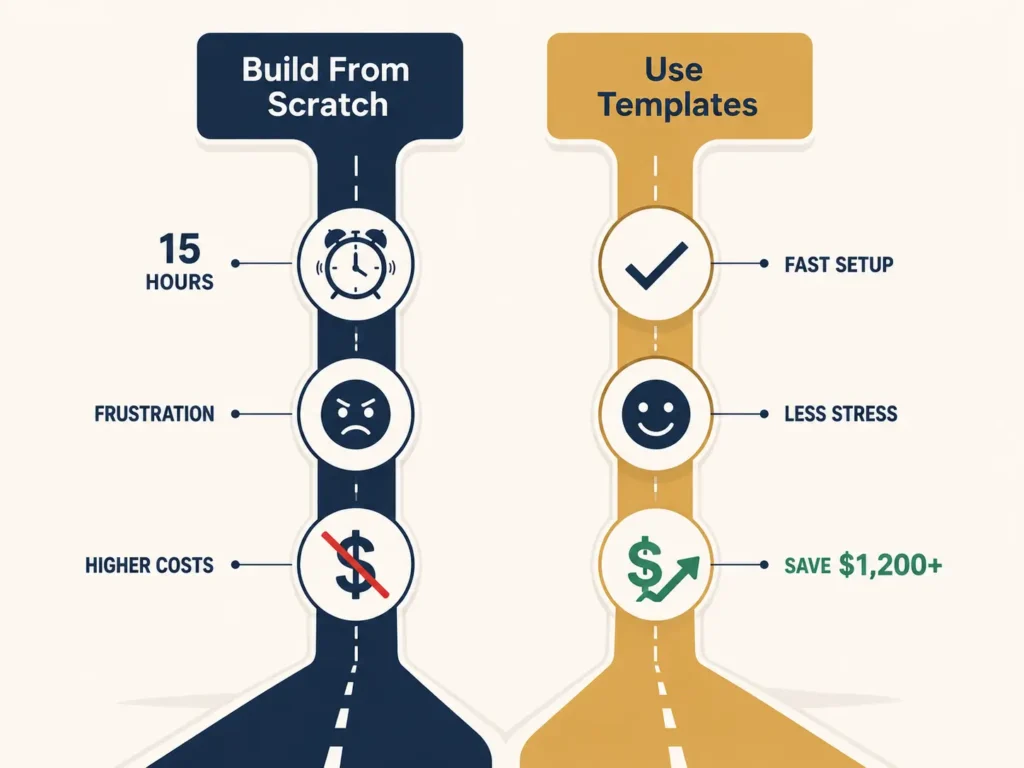
DIY Tech Packs vs. Templates: A Decision Framework
Not everyone is starting from the same place. Here’s an honest breakdown to help you decide which approach makes the most sense for where you are right now.
Choose to build your tech pack from scratch if:
✓ You have absolutely zero budget for tools right now
✓ You have 15–20 hours to spend formatting measurement tables, spec sheets, and grading grids
✓ You have a degree in technical fashion design or patternmaking
✓ Your garment is highly experimental and needs a completely custom format
For a detailed page-by-page explanation of these production documents, see what is included in a fashion tech pack.
Choose tech pack templates to save money if:
✓ You want to eliminate factory errors starting with your very next sample
✓ You want to save $1,200+ on resampling across your first collection
✓ Building your brand quickly is the priority
✓ You’re a founder, not a technical designer by trade
✓ You want professional, manufacturer-ready formatting without learning Illustrator from scratch
The Decision Flowchart
→ Do you have more than 15 hours to spend on formatting? → No → Use templates.($29.99 and done) → Yes
→ Do you have formal technical design training? → No → Use templates. (Formatting errors cost more than $29.99) → Yes
→ Do you have 0 budget at all? → No → Use templates. (The ROI is immediate) → Yes → DIY from scratch (and plan for extra sampling rounds)
The honest truth? Even experienced technical designers often use a base template to save time — and then customize from there. Reduce sampling costs for your clothing brand by not reinventing the wheel.
Frequently Asked Questions
How much does clothing brand sampling normally cost?
A single clothing sample typically costs $50 to $300+, depending on garment complexity, the country your manufacturer is based in, and whether you’re working with custom or stock fabrics. Simple basics (tees, hoodies) tend to land on the lower end. Technical outerwear, structured jackets, or anything with complex construction can push well past $300. Add $35–$55 each way for international shipping and you can see how quickly one “affordable” sample becomes an expensive lesson.
How many sampling rounds are normal for a clothing brand?
For founders working with rough sketches or incomplete specs, 3–5 rounds is common — and unfortunately expensive. Working with a comprehensive tech pack, most brands achieve their approved sample in 1–2 rounds. Professional brands with experienced technical designers and strong factory relationships can sometimes hit a single round. The variable that controls this most is the quality of your initial instructions to the factory.
What exactly goes into a tech pack?
A complete tech pack includes: a technical flat sketch (front, back, and detail views), a bill of materials (BOM) listing every fabric, trim, and hardware component with exact specifications, measurement spec sheets with graded sizes across your size run, construction callouts identifying seam types, stitch counts, and finishing details, colorway pages, and label and packaging placement guides. The S.i. Graphics Techpack Mega Bundle includes all of these pages in an industry-standard format.
For the broader beginner explanation, see What Is a Tech Pack in Fashion?
Will a clothing manufacturer accept my hand-drawn sketches?
Yes — most will accept hand-drawn sketches. But they’ll charge you more for sampling and make more mistakes, because they have to interpret your vision rather than follow clear specifications. Every decision they make without guidance is a potential error you’ll pay to fix. Hand-drawn references work best as a starting point to accompany a proper tech pack, not as a replacement for one.
How do tech pack templates save money on sampling?
The connection is direct: precise instructions = zero factory guesswork = fewer resampling rounds. When a manufacturer has every measurement, material, and construction detail in writing, they build exactly what you specified. Without that detail, they make educated guesses — and you pay for every wrong guess with a new sample. Tech pack templates accelerate this process by giving you a pre-built, manufacturer-ready format so nothing gets left out by accident.
Can mockups help reduce clothing sampling costs?
Absolutely. Realistic digital mockups let you visually confirm a design — including colorway, proportion, branding placement, and overall aesthetic — before you ever order a physical sample. This is especially powerful for colorway decisions. If a colorway looks wrong on a mockup, you don’t order that sample. The S.i. Graphics OMEGA Bundle combines tech packs and mockup templates specifically for this reason, making it a complete pre-production toolkit.
Learn how to create realistic clothing mockups
Do I need Adobe Illustrator to use a tech pack template?
The S.i. Graphics Techpack Mega Bundle is built in Adobe Illustrator (.AI) format, which gives you the most control over vector sketches, callouts, and scaling. If you don’t have Illustrator, Adobe offers a monthly subscription, and many designers use Illustrator just for tech pack work. Some templates also include compatible PDF layers or Excel measurement sheets for the non-illustrative pages. Check the product description for the full list of included file formats.
What is a “pre-production sample” in clothing manufacturing?
A pre-production sample (PP sample) is the final sample produced using your actual production fabrics, trims, and construction methods — exactly as your bulk order will be made. It comes after your proto samples (fit testing) and counter samples (factory’s confirmation of your specs). You approve the PP sample before bulk production begins. Getting to PP sample approval in the fewest rounds possible is the core goal of the strategies in this guide.
How do I find a good clothing manufacturer for my brand?
Start by defining whether you need domestic or overseas production, your minimum order quantities, and your target price per unit. Platforms like Maker’s Row (US-based manufacturers) and Sqetch (global) are well-regarded directories for apparel startups. Always request a sample before committing to bulk, check their communication speed, and ask for references from similar brands. A manufacturer who responds quickly to a detailed tech pack is almost always a better long-term partner.
What is the difference between a pattern and a tech pack?
A pattern is the physical or digital template used to cut fabric pieces — it’s the actual engineering of the garment shape. A tech pack is the communication document that tells the factory how to assemble those pieces, what materials to use, and what the finished garment should look like. Patterns are made by patternmakers; tech packs are created by designers and technical designers. You need both for production, but the tech pack comes first — it tells the patternmaker (and the factory) what to build.
Conclusion: Start Saving on Sampling Today
You now have a complete blueprint to save money on clothing brand sampling — and more importantly, you know why the money was being wasted in the first place.
The root cause is always the same: unclear communication leads to wrong samples, wrong samples lead to resampling rounds, and resampling rounds drain your budget one $150 fee at a time.
Sampling is only one stage of launching an apparel brand. For the complete roadmap from brand identity and design through manufacturing and launch, see our complete guide to starting a streetwear brand in 2026.
Key takeaways from this guide:
✓ A complete tech pack is the single most powerful tool for cutting sampling costs
✓ Using professional templates saves you 15–20 hours of formatting and 2–3 costly resampling rounds
✓ Visualizing your designs with mockups before sampling prevents expensive colorway mistakes
✓ Simple logistics habits (batching shipments, using proto fabrics) can save hundreds more per season
The founder who saved $1,200 didn’t have a magic factory or unlimited budget. They just stopped leaving questions unanswered in their spec documents. When your manufacturer has everything they need on day one, the math changes completely.
Ready to stop paying for factory guesswork?
→ Get the Techpack Mega Bundle ($29.99) — Everything your factory needs in one professional document. Instantly pays for itself on your first sample.
→ Upgrade to the OMEGA Bundle — Tech packs + vector and realistic mockups for brands serious about getting it right before spending a dollar on physical samples.
Your manufacturer is ready to build exactly what you envision. Give them the instructions to do it. Start today.